Best way to train a blind dog to go up and down the stairs
Teaching a blind dog to go up and down the stairs might seem tricky at first, but with a little patience and the right approach, they can learn to do it safely.
Just like any training, it’s all about taking it step by step (literally!), using lots of encouragement, and making sure they feel secure.
In this guide, we’ll tell you everything you have to know about training a bling dog to go up and down the stairs. Let’s jump right into it.
Why stairs are challenging for a blind dog
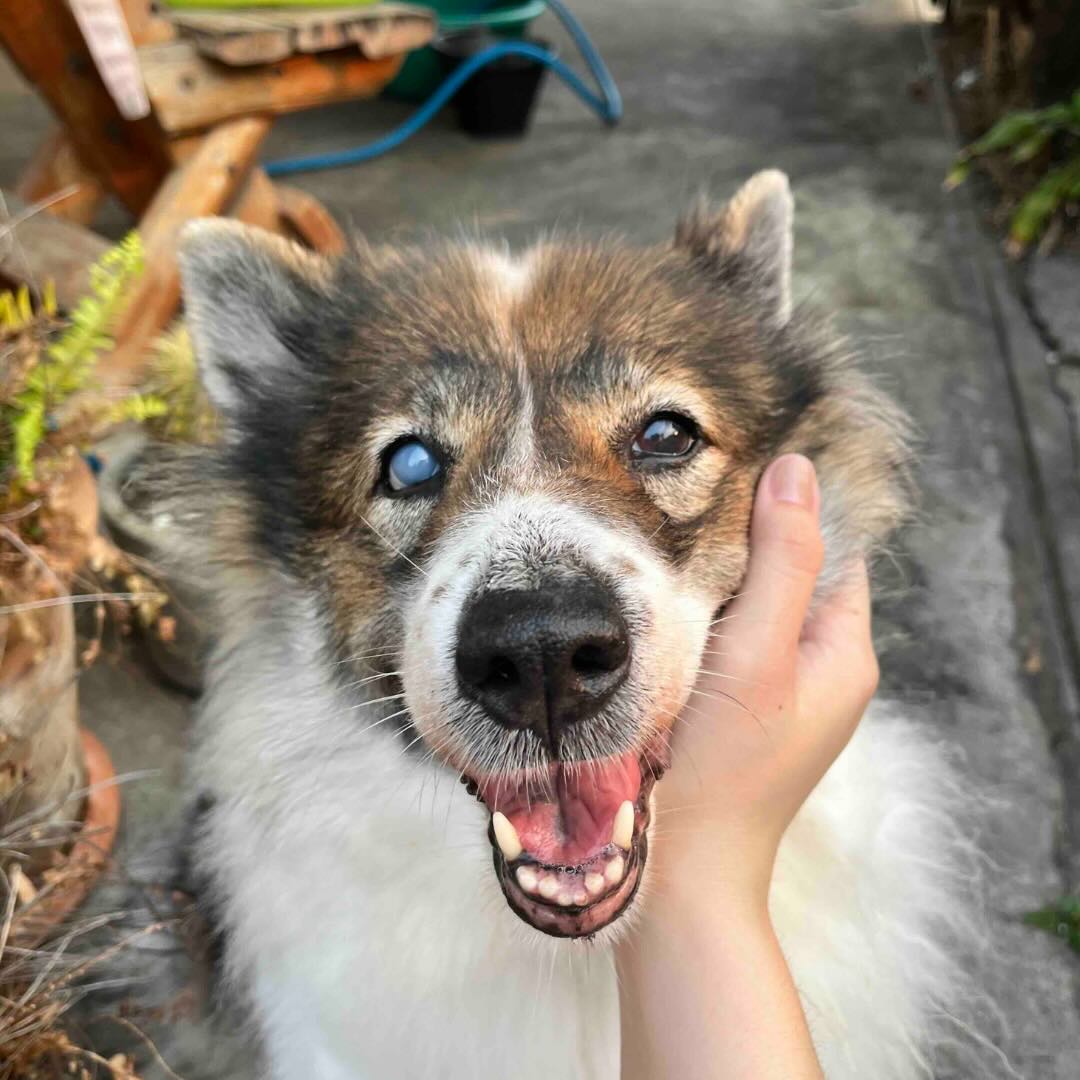
If you want to train a blind dog, patience and understanding are important. Without vision, your dog relies on other senses like smell, touch, and hearing.
Stairs can feel overwhelming because they have different heights, textures, and edges that may not be easy to detect. If your dog has never used stairs before, they might hesitate or feel unsafe stepping into an unfamiliar space.
Dogs use their depth perception to judge distances. But a blind dog does not have that advantage. Moving up or down without seeing where the next step leads can be scary.
Your dog may pause, move cautiously, or even refuse to go further. The key is to build their confidence with gradual training and reassurance. For that, read onto the next section.
How to help your blind dog get ready for stair training
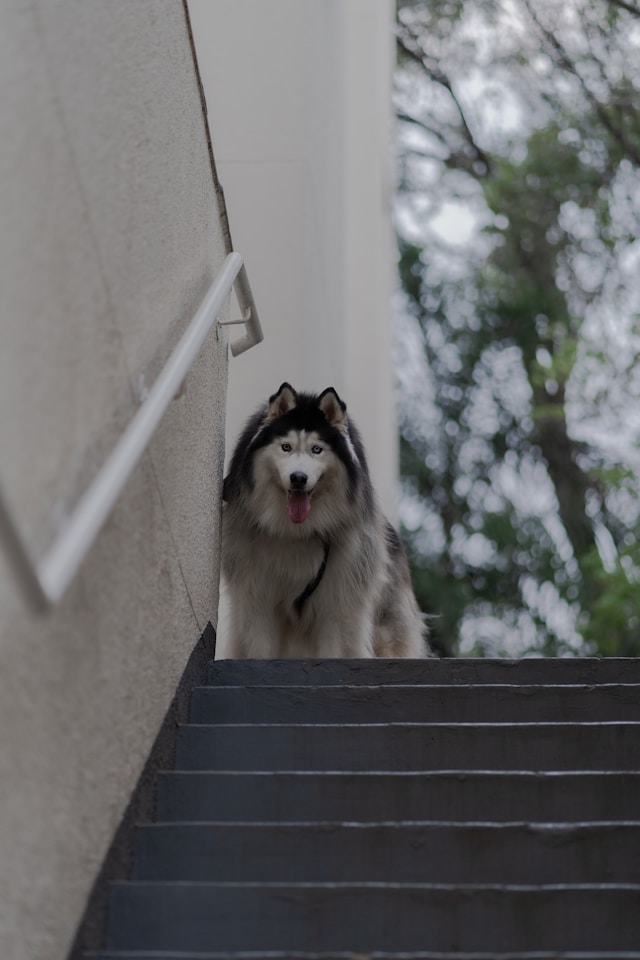
Before introducing your dog to stair training, make sure your home is set up for success. Start by ensuring the stairs are safe and free from obstacles.
If there are any loose rugs, wires, or clutter near the steps, remove them. A clear, open path will help prevent unnecessary accidents and make the learning process smoother.
Adding non-slip stair treads or a carpet runner can improve grip and stability, making your dog feel more secure when stepping up or down. Slippery surfaces could cause hesitation, so providing traction is essential.
You can also place a familiar scent, such as a drop of lavender or vanilla oil, at the top and bottom of the stairs to help your dog recognize the area.
Here below, we’ll go through all the steps to train your dog on going upstairs and downstairs. It’s easier than you think.
Step 1: Let your dog explore the stairs
Before you train a blind dog on stairs, allow them to explore at their own pace. Instead of rushing them into going up and down, allow them to explore at their own pace. Bring them near the stairs and let them sniff around.
Dogs, especially blind dogs, rely heavily on their sense of smell and touch, so getting used to the textures and scents will help them feel more comfortable.
Use a reassuring and happy voice to encourage your dog. Speak calmly and use positive words to let them know they are safe. If they seem hesitant, place a treat on the first or second step to encourage them to put their paw on it.
Let them stand there without forcing movement. Building trust at this stage is crucial before going onto the next step.
Step 2: Start with one step at a time
Once your dog is comfortable near the stairs, guide them to take one step at a time. Place a treat on the first step and gently encourage them to step up or down.
If your dog is small, you can lightly lift one of their front paws to help them feel the step. Avoid rushing the process. Instead, let them move at their own speed.
You can also use a leash for gentle support for extra security. Walk alongside your dog while holding the leash loosely. If they pause or seem unsure, give them time to adjust.
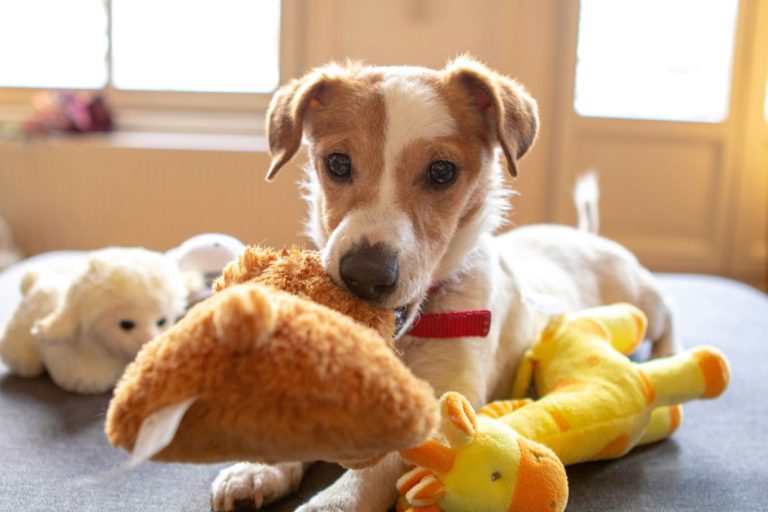
To make training more engaging, you can motivate your dog with familiar toys. Scented or textured toys can help them feel more confident while navigating new challenges.

Step 3: Teach up and down separately
Teaching your dog to go up the stairs is usually easier than going down. Start by training them to move up first. Use treats and positive encouragement to lead them one step at a time.
Keep sessions short and avoid overwhelming your dog. If they show signs of fear, pause and try again later. There’s no rush, and you should give enough time to your furry friend to adapt.
Once your dog is comfortable going up and they got upstairs, introduce the process of going down. Descending stairs can be more intimidating because they cannot see where they are landing. Guide them slowly, using verbal cues like “step down” or “easy.”
Keep their body close to the step to help them feel the surface before moving their paw forward. If needed, support them with a leash to prevent sudden movements. Over time, they will learn to adjust their steps and go downstairs with more confidence.
Step 4: Practice every day
Consistency is key to helping your dog learn how to use stairs. Practice for a few minutes each day rather than trying to teach everything in one session. There’s no need to stress your little one, he or she needs time.
Short, frequent training will reinforce what they have learned and help them gain muscle memory. Use the same command for going up and down, such as “step up” and “step down.” Repeating these phrases will help your dog associate them with the movement.
Keep a positive tone and offer treats or praise whenever they make progress. If they struggle with a particular step, take a break and, again, try again.
Step 5: Help your dog gain independence
As your dog becomes more confident, gradually reduce the amount of assistance you provide. If you have been using a leash, start loosening it so they can move more independently. Continue guiding them with verbal cues, but allow them to rely on their sense of touch to navigate the steps.
Monitor the progress and watch for signs of hesitation. If they seem uncertain, go back a step and practice with extra support. Over time, they will develop a natural rhythm and learn to move up and down without needing as much guidance.
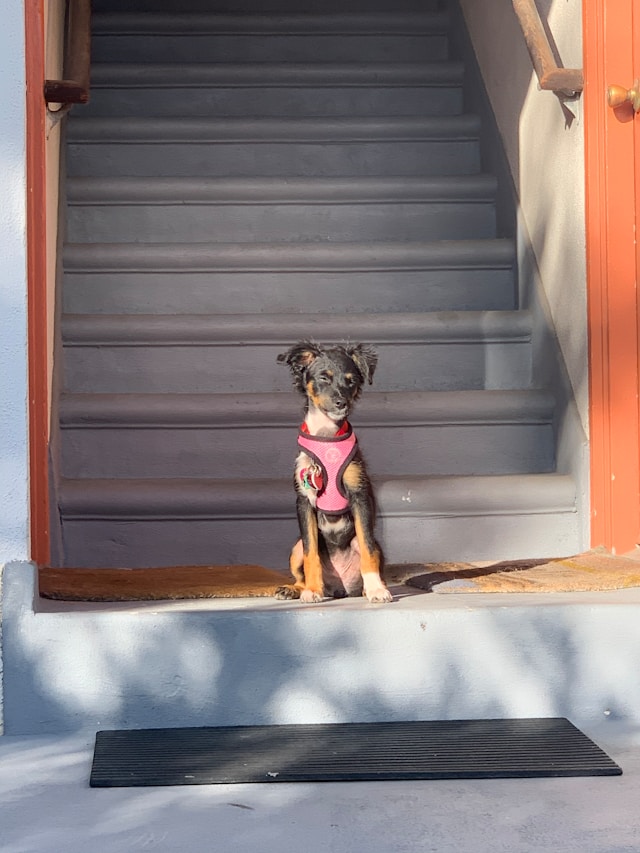
Mistakes to avoid
One of the biggest mistakes is moving too fast during training. If you push your dog to take multiple steps before they’re ready, they may get scared and refuse to continue. Let them progress at their own speed to avoid setbacks.
Avoid using a harsh or frustrated tone, this will not help them in any way. Your dog relies on your reassurance to feel safe, so always keep a calm and encouraging voice.
If they make a mistake, avoid scolding them. Instead, guide them back to where they feel comfortable and try again.
Forgetting to make the stairs safe can also slow down progress. Note that slippery steps, poor lighting, or obstacles can make it harder for your dog to learn.
How long does it take to train a blind dog to use stairs?
Every dog learns at their own pace, so training time can vary. Some dogs pick it up within a few days, while others may take a few weeks.
The key is to be patient and practice consistently. Start with short sessions and gradually increase as your dog becomes more confident.
Using verbal cues, treats, and positive reinforcement will help speed up the learning process. Don’t rush through. Go at your dog’s pace and celebrate small victories.
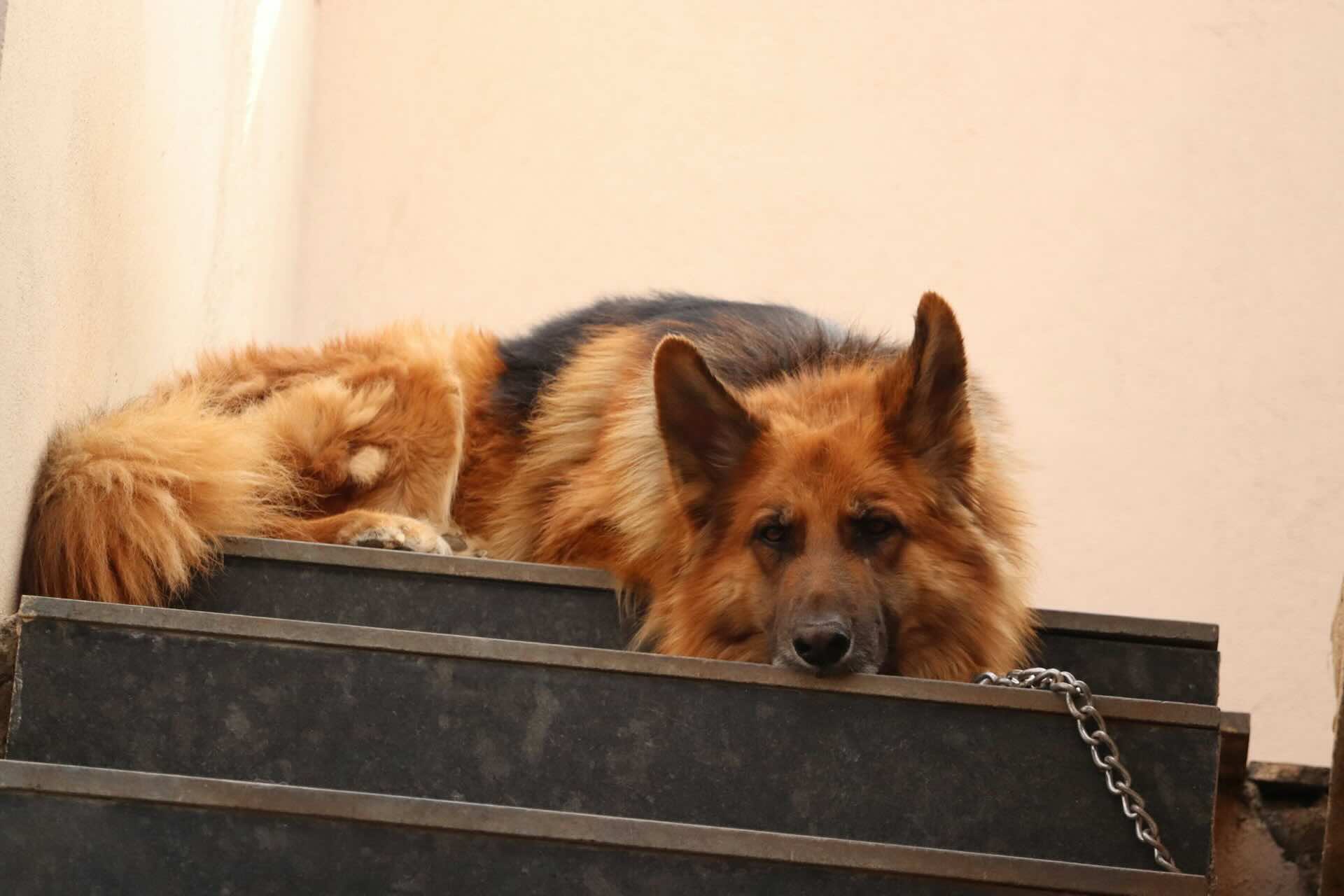
What if my blind dog is afraid of the stairs?
Fear is normal, especially for a blind dog who relies on touch and scent rather than sight. Start by letting them explore the stairs without pressure. Allow them to sniff and touch each step.
Also, use treats and a calm, encouraging voice to reassure them. If they hesitate, go one step at a time and never force them. Last but not least, adding non-slip mats can also help them feel safe, so don’t underestimate those.
Should I use a harness or leash while training my blind dog on stairs?
Definitely! A harness or leash can provide extra security, especially during the early stages of training.
A well-fitted harness allows you to guide them gently without pulling too hard. However, don’t rely on it too much. Your goal is to help your dog navigate the stairs by themselves.
As they become more confident, you can gradually loosen the leash and let them use their other senses to find their way.
What if my blind dog refuses to go down the stairs but can go up?
If they hesitate, go slow and use verbal cues like “step down” or “easy.” You can also place treats on each step to encourage going further.
Try sitting at the bottom and calling them in a soothing voice. If needed, use a leash for gentle guidance, but never force them. Over time, with patience and practice, they’ll feel more comfortable on their own.
Conclusion
With patience and consistency, you can train a blind dog to use stairs safely. By creating a safe environment, introducing steps gradually, and practicing consistently, you can help your dog gain confidence. Every small step forward is a victory, and with encouragement, your dog will learn to navigate stairs safely.