How to care for a blind dog: A complete guide
Caring for a blind dog requires patience, consistency, and a few adjustments to your routine. Your dog may not see, but they still experience the world through their other senses: smell, hearing, touch.
With the right approach, you can help them feel safe, confident, and happy in their environment. Blind dogs can live full, joyful lives when given the right support.
If you are looking for the best ways to care for a blind dog, the tips in this guide will help you create a safe, supportive environment for them.

Understanding blind dog care and their needs
Yes, a blind dog will have a different life than others, but they are just as capable of being happy and independent as any other dog.
Blindness can occur due to age, illness, or injury, and every dog adjusts in their own way. Some dogs lose vision gradually, while others may become blind suddenly. Understanding their condition is super important to know how they feel.
Your dog relies more on their hearing, smell, and touch to move around. They may hesitate at first, but with time, they learn new ways to interact with their surroundings.
They will use their nose to locate food, their ears to recognize your voice, and their paws to sense textures. Also, keeping their environment consistent and predictable is key to helping them feel secure.
Setting up a safe home for your blind dog
A safe home is arguably the most important thing you can provide for your furry friend. But what is safe for you might not necessarily be for him or her. Here are some elements you’ll want to consider.
Keep your home layout consistent
One of the most important parts of caring for a blind dog is creating a safe and familiar space where they feel comfortable. Making small adjustments can prevent accidents and help them move around with confidence.
If you keep your furniture in the same place, your dog will memorize the layout and avoid unnecessary bumps. Any sudden changes can confuse them, so introduce new furniture (or move your existing stuff) slowly.
Use scent and sound markers
Use scent markers, as these can help massively. You can place a distinct scent, like lavender or vanilla, in key locations such as near food and water bowls or at doorways.
This helps your dog identify important areas and get around the house with ease. Sound cues, like wind chimes or bells on doorknobs, can also guide them.
Prevent falls and accidents
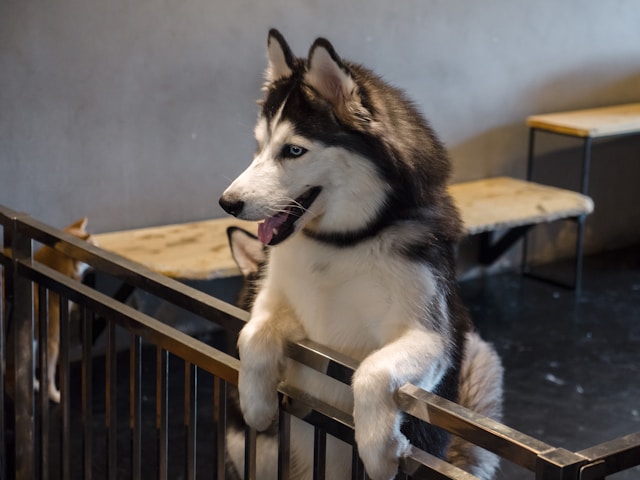
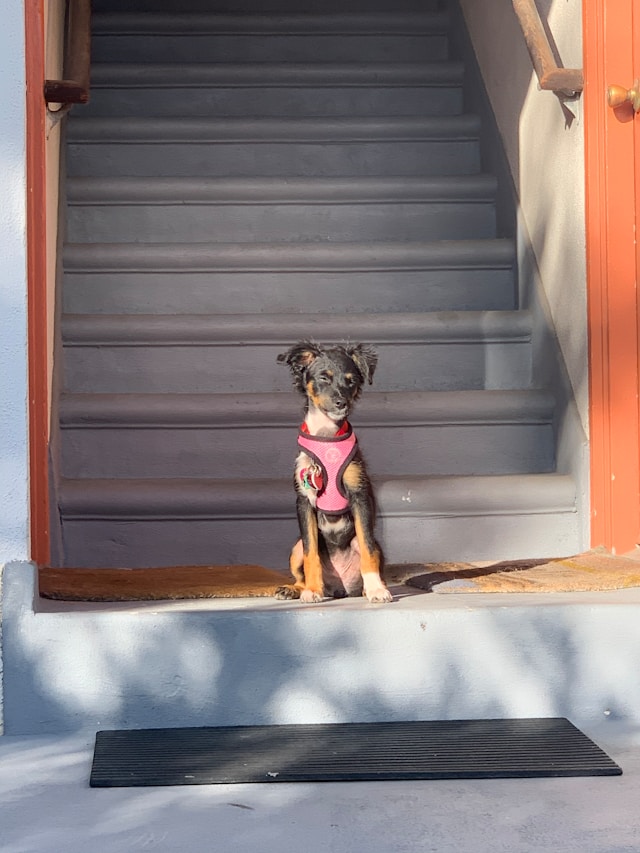
To prevent falls, use baby gates near stairs or dangerous drop-offs. Remove sharp objects or anything they could trip over. Rugs and mats with textured edges can help them recognize different rooms or pathways.
Helping your blind dog getting around the house
Once your house or apartment is safely set up for your friend, it’s time to help them get around.
Guide them with verbal cues
When learning how to care for a blind dog, verbal cues play a major role in helping them navigate their surroundings. Simple commands like “step up” and “step down” will help them adjust to changes in flooring or stairs.
Using a consistent tone when speaking reassures them and helps them understand what to expect. Training them with voice commands will make daily movements easier.
Walks and outdoor exploration
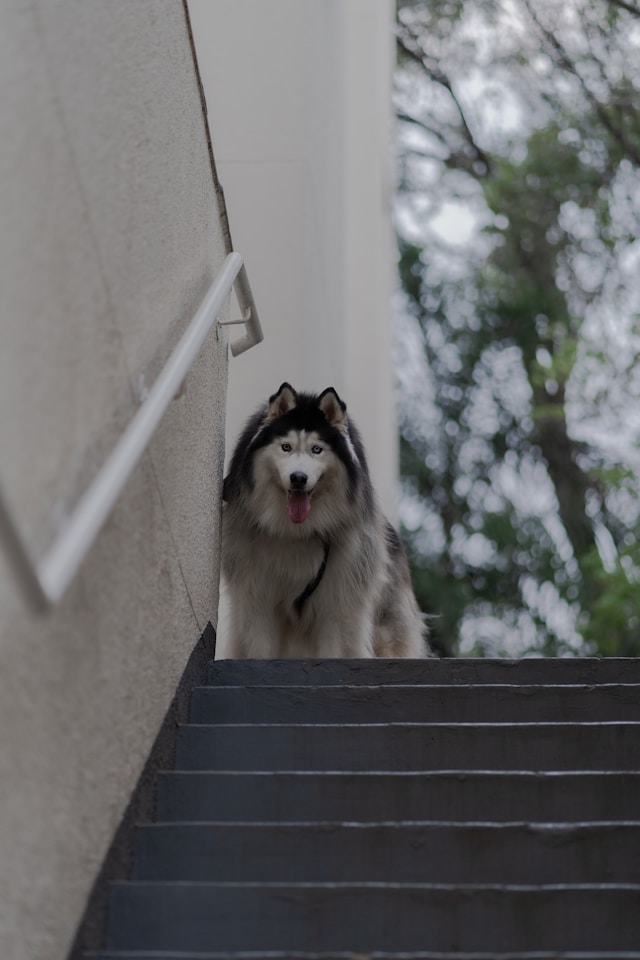
When going outside, choose a secure harness or a leash to guide them gently, especially if you have stairs. A short leash gives them a sense of direction without too much slack. Introducing them to new places gradually will help them feel comfortable.
If they seem unsure or scared, let them take their time to sniff and listen to their surroundings before moving forward. Using landmarks like textured ground surfaces or familiar scents can also help them recognize safe paths.
Keeping their outdoor routine consistent will make walks more enjoyable and help them build confidence in new environments.
Keeping your blind dog active and engaged
One key part of blind dog care is keeping them physically and mentally stimulated to prevent boredom and feeling anxious. Playtime helps them stay happy and prevents boredom.
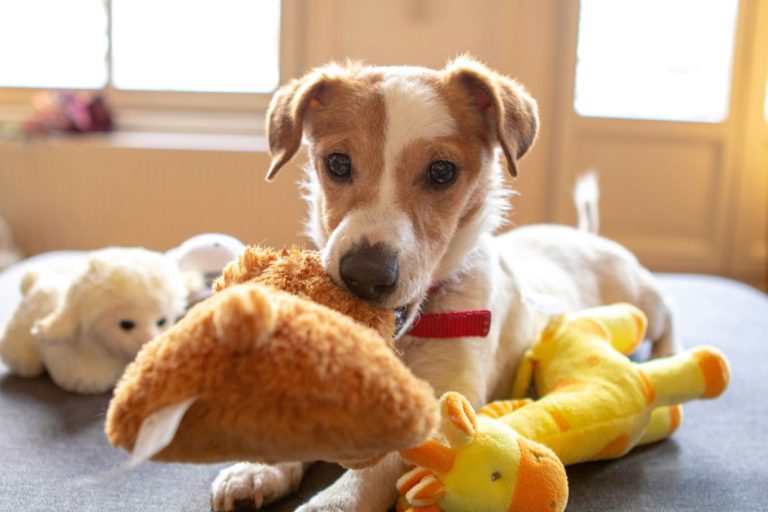
Toys with different textures, scents, or sounds will keep them engaged. A soft squeaky toy or a ball with a bell inside will help them play just like any other dog.
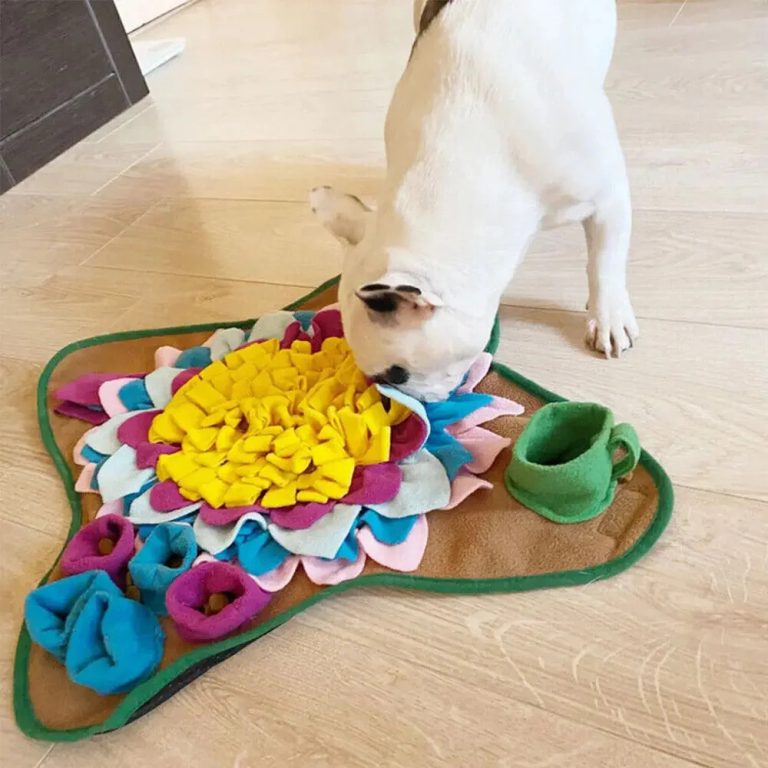
Apart from that, training sessions are also a great way to keep them stimulated. Teaching simple commands, like “find your bed” or “follow me,” encourages problem-solving and builds trust. Nose work games, where they search for hidden treats, are excellent for mental exercise.
Regular activity also prevents anxiety and keeps their energy balanced. If they enjoy socializing, playdates with calm and understanding dogs can boost their confidence. Making time for interactive play and training will strengthen your bond and help them feel secure in their world.
Socializing and building confidence
Feeling safe and not bored is only the beginning. You also want your dog to be confident. Not seeing is a big thing, so you need to do everything you can to make them feel loved and confident.
Introducing your blind dog to new people and pets
It takes time to introduce your blind dog to new people and other pets. They cannot rely on sight to understand body language, so they will use their sense of smell and hearing instead.
Allow them to sniff new people and pets before any interaction. Speaking gently and avoiding sudden movements will help them feel more comfortable.
If they’re meeting another dog, choose a calm and friendly companion. Keep them on a leash during introductions and allow them to explore at their own pace. Let them get used to another dog’s scent before close contact; This will help prevent nervous reactions.
Preventing fear and anxiety
To prevent fear and anxiety, keep a consistent routine and create a stable environment. Avoid loud noises and over stimulating situations when they are adjusting.
A predictable schedule and familiar voices will make them feel more secure and confident in their surroundings.
Feeding and daily care for a blind dog
Last but surely not least, the feeding and daily care situation. Just like other dogs (and humans, for that matter!) food is important, so here’s how to help your friend.
Keeping their food and water in the same spot
Feeding your blind dog in the same place every day helps them find their food easily. If you move their food or water bowls frequently, they may become disoriented.
Keeping everything in a designated area allows them to rely on their memory. Using a textured mat under their bowls can also help them recognize the feeding spot.
Grooming and handling with care
When it comes to grooming, approach them gently so they don’t panic. Let them smell the brush or any grooming tools before using them. Speak to them while you groom so they know what’s happening. Keeping their fur clean, nails trimmed, and ears checked will ensure they stay comfortable.
Regular vet check-ups are also important to monitor their health. Since they rely more on other senses, keeping their ears and nose healthy will help them navigate better. A well-maintained daily routine makes blind dog care easier and keeps them feeling their best.

Common mistakes in blind dog care and how to avoid them
One of the biggest mistakes in how to care for a blind dog is expecting them to adjust too quickly without your support. It takes time for them to adapt, and rushing the process will eventually stress them.
Moving furniture too often, changing routines, or introducing new spaces without guidance can make them anxious. Give them time to explore and memorize their surroundings before making changes.
Another mistake is not using enough verbal communication. Since they cannot rely on visual cues, your voice becomes their main guide. Using clear and consistent commands helps them understand what to do and where to go.
Forgetting to make the environment safe can also cause accidents. Slippery floors, open staircases, or sharp furniture edges can be dangerous.
How long does It take for a blind dog to adjust to its surroundings?
Every blind dog adapts at a different pace. Some dogs adjust within a few weeks, while others take months. The key is patience and consistency.
Keeping their environment stable, using verbal cues, and providing scent markers can help them feel more secure. Give them time to explore and memorize their surroundings. Daily routines, familiar voices, and positive reinforcement will speed up their adjustment.
Can a blind dog live a normal life?
Absolutely! A blind dog can live a full, happy, and independent life with the right care. Keeping their environment consistent, using verbal cues, and providing scent markers can help them feel secure. Regular exercise, interactive toys, and positive reinforcement build their confidence too.
Do blind dogs get depressed?
Blindness needs adjustment, and some dogs may initially feel anxious. That’s not uncommon. That said, with a stable routine, lots of encouragement, and engaging activities, they can feel confident again.
Keep their world predictable and introduce stimulating toys or scent-based games to them so that you can prevent boredom. Remember, you don’t want your blind dog to get bored!

Conclusion
Caring for a blind dog is all about creating a supportive and predictable environment. With a safe home, clear communication, and different activities, your dog can live a fulfilling life. Patience and consistency will help them build confidence and navigate their world with ease.
By following the right blind dog care techniques, you will provide them with the best possible quality of life while ensuring they feel secure and loved.